The Practice
Why Your Matcha Tastes Bitter (and How to Fix It)
Bitter matcha is almost always a fixable mistake: water too hot, powder unsifted, the wrong grade, or a stale tin. The five causes and the fix for each.
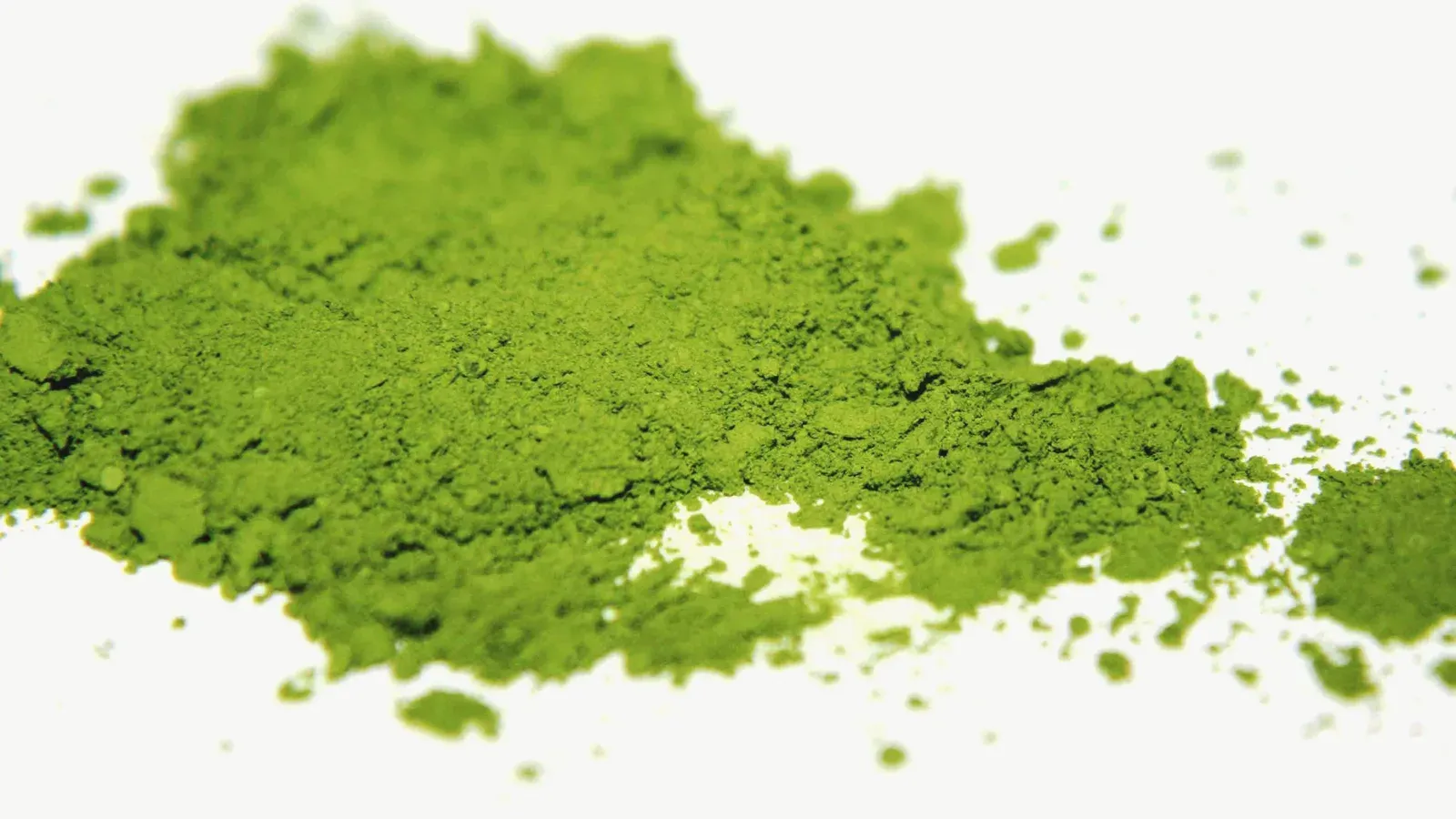
Bitter matcha is almost always one of five fixable problems: water hotter than 80°C, too much powder, clumps from skipping the sieve, a culinary grade meant for baking, or a stale tin. Cooler water and a quick sift fix most bowls. If you change one thing, take the water off the boil.
Most people who say they dislike matcha have only ever had it made badly. A harsh, mouth-drying bowl is common enough that many drinkers decide the wince is the flavour and quietly go back to coffee. The powder is rarely at fault, and the tin often has nothing wrong with it. Almost every sharp, grassy, faintly chemical bowl comes from something that happened in the last two minutes: the water, the dose, the sieve, the grade, or the age of the powder. Change the right one and the same tin gives a sweet, savoury, smooth cup. Here are the five causes, in rough order of how often each is to blame, with the reason behind each and the fix.
The five causes at a glance
| Cause | Why it happens | The fix |
|---|---|---|
| Water too hot | Heat pulls the astringent catechins out fast | Cool to 70–80°C before pouring |
| Too much powder | More leaf per sip concentrates everything, bitterness included | Measure about 2 g to 60–70 ml |
| Clumps, no sieve | Unbroken lumps land as pellets of concentrated powder | Sift into the bowl before the water |
| Wrong grade | Later-harvest, sun-grown leaf carries more catechin | Use a whisking grade for a plain bowl |
| Stale tin | Oxidation dulls the sweetness and sharpens the bitter | Buy small, store cold and dark, drink fresh |
1. Water off the boil — the first thing to suspect
Start here, because it is the fix that changes the most for the least effort. Pour water straight from a roaring kettle onto matcha (抹茶) and it scalds the powder, dragging a rush of bitter, astringent compounds out of the leaf all at once. Aim for roughly 70–80°C instead. Boil the kettle, pour the water into a second cup or the empty bowl, and give it a minute to fall before it meets the tea. Ippodo’s standard usucha (薄茶, “thin tea”) recipe is plain about the number: 80°C, distinctly below boiling 2. Naoki Matcha puts the harsh threshold at about the same place, around 80°C (176°F), above which the bowl turns sharp 1.
2. Too much powder for the water
A standard bowl of usucha is about 2 grams of matcha to 60–70 ml of water 2. Two grams is less than most people pour: a level teaspoon, or a heaped bamboo scoop and a half. Go past it and everything scales up together, the bitterness along with the body, so a heavy hand reads as a stronger, sharper, less pleasant cup rather than a richer one 1. If your bowls run consistently harsh, measure once instead of eyeballing, and hold the dose near 2 grams while you sort out the other variables. Heaping the scoop to make the tea taste of more is a dependable way to make it taste of bitter.
The one preparation that deliberately uses far more powder, koicha (濃茶, “thick tea”), kneads roughly 4 grams into a bare 30 ml, and it demands the very best leaf to carry that intensity without turning harsh. That balance, and why it sits at the centre of the formal ritual, is its own subject.
3. Clumps, and the sieve that stops them
Matcha doesn’t dissolve. It suspends: fine solid particles held in the water by the whisk, which is why an unstirred bowl settles to a sludge at the bottom 1. As the powder sits in the tin it cakes into small dense lumps, and whisking an unsifted bowl only breaks those lumps into smaller lumps. Each surviving lump is a pellet of concentrated dry powder that lands on the tongue as a sharp bitter spot. Pressing the matcha through a small sieve into the bowl before the water goes in breaks the cakes down, and it is the most reliable single cure for a gritty, unevenly bitter cup. The whole step costs about thirty seconds. A fine kitchen tea strainer does the job as well as a purpose-made furui (篩).
4. The wrong grade for a plain bowl
Some matcha stays bitter however carefully you brew it, because it was built for milk and sugar rather than a bare bowl. Culinary or cooking grade is generally made from later-harvest, more sun-exposed leaf, which carries more of the bitter catechins and less of the sweet amino acids 5. In a latte or a cake that edge is an asset, rounded off by dairy and sweetness. Whisked thin into plain hot water it has nowhere to hide. A whisking grade, first-flush and shade-grown, higher in the amino acid theanine, is the one for a straight bowl.
One caution on the labels themselves. There is no legal or regulated “ceremonial grade,” and anyone can print the words on a tin 5. Judge the powder by its colour, harvest date, and price per gram, which a producer cannot cheaply fake. The full distinction, and how to read a tin without trusting the front label, is in ceremonial vs. culinary matcha.
5. A stale tin
Old matcha goes flat and bitter. Ground finer than flour, it exposes an enormous surface area to air and oxidises within weeks of the tin being opened, which Naoki Matcha names as one of the common causes of a bitter bowl 1. The chemistry fades on several fronts at once: a peer-reviewed storage study tracked matcha’s colour, catechins, and antioxidant activity all declining as storage ran warmer and longer, with cold storage best at holding them 6. As the fresh grassy aroma and the sweetness fade alongside the colour, what remains reads duller and more plainly bitter, and the jade drifts toward army-green.
If a bowl tastes hay-like and flat where it should taste clean and grassy, and the powder looks brown at the edges, suspect the age of the tin. Buy small amounts, finish them inside a month or so of opening, and keep them sealed, cold, and dark. The full method is in how to store matcha.
What good bitterness tastes like
Some bitterness belongs in matcha. The difficulty is telling the good kind from the bad, because both get called “bitter” and only one of them is a mistake.
A well-made bowl opens with a clean, leafy, faintly vegetal edge, closer to steamed greens or fresh-cut grass than to burnt coffee. That edge is brief, and it resolves. Under it and just after it comes the sweetness and the savoury, brothy depth, the umami (旨味) that shade-grown leaf carries in its amino acids 4. The bitterness is a leading note that gives way, one part of a taste that turns rounder and sweeter within a second or two of the sip.
The bad kind runs the other way. It arrives sharp, dries the mouth, and lingers as a flat astringent wince with no sweetness behind it. Good bitterness is a leading edge that resolves. A mistake is a bitterness that arrives and stays. If a bowl makes you pull a face and reach for water, one of the five causes above is at work. If it tastes green and a little brisk and then softens into something sweet, the tea is doing what it should.
Why cooler water and better leaf work: the chemistry
The fixes above share one explanation. Two families of compounds pull matcha’s flavour in opposite directions. The catechins (the polyphenols behind matcha’s antioxidant reputation, chief among them EGCG, epigallocatechin gallate) are bitter and astringent. The amino acids, theanine foremost, are sweet and savoury, the source of the umami. A good bowl keeps the amino acids in front with the catechins in support. Two levers tip that balance.
Heat is the first. Hotter water draws catechins into solution faster and in greater quantity. A peer-reviewed study of green-tea brewing found that higher temperatures and longer contact raised catechin extraction and, past a point, sent the sensory scores down as the liquor turned bitter and dark 3. Most such studies steep the leaf and pour it off, while matcha is whisked whole and swallowed, so the mechanism here is dissolution more than infusion: cooler water dissolves fewer of the astringent catechins out of the suspended powder, and the amino acids, which give up more readily at lower temperatures, come through in better proportion. That is why 70–80°C from a given tin tastes sweeter than 90°C from the same tin.
Leaf is the second lever, and it is set long before you open the tin. In direct sun, the tea plant spends its theanine as raw material to build catechins. Shade the rows for a few weeks before harvest, the standard step for the tencha (碾茶) that becomes matcha, and that conversion slows, so the leaf keeps more of its amino acids and makes less catechin. A 2020 study in Molecules measured free amino acids rising several-fold in shaded leaf, with theanine among the compounds the plant no longer breaks down 4. First-flush spring leaf, picked after a winter of stored amino acids, starts richer again. So “too hot” and “wrong grade” are two roads to the same place: too much catechin in the cup, next to too little of the sweetness that should carry it. Cool the water and choose shaded, first-flush leaf, and most of the bitterness is gone before the whisk moves. The same chemistry runs under matcha’s caffeine and L-theanine (L-テアニン) story.
The thirty-second diagnosis
Next time a bowl comes out harsh, run the list before you blame the tea. Most of it takes one taste and one look to settle.
| What the bowl does | Likely cause | The fix |
|---|---|---|
| Sharp, scorched, a drying wince | Water too hot | Cool to 70–80°C |
| Overwhelming, thick, intense | Too much powder | Measure about 2 g to 60–70 ml |
| Gritty, with bitter specks | Clumps, no sieve | Sift before the water |
| Bitter even when carefully brewed | Culinary grade in a plain bowl | Switch to a whisking grade |
| Flat, dull, hay-like, brown-green | Stale tin | Buy fresh, store cold and dark |
If you take one thing from this, take the water off the boil. Four of the five causes cost nothing but a minute of attention, and the water is at once the most common fault and the cheapest to correct. A thermometer helps. The boil-and-wait habit works fine without one. Once the bowl comes out smooth and sweet, the rest is technique, the wrist and the whisk of how to whisk matcha, and a habit the wider home practice is built on. The tins most people give up on are mostly fine. The bitterness they blame on the tea is a note the leaf was never asked to hold alone, and once the water drops twenty degrees, it stops being the loudest thing in the bowl.
Sources
6sourcesNaoki Matcha
SupportsBitterness causes: water above 80°C/176°F; too much powder (2 g is a lot); culinary grade more bitter than ceremonial; clumping from poor mixing — matcha doesn't dissolve, only suspends, use a whisk not a spoon; stale matcha turns bitter
Ippodo Tea (Global)
SupportsStandard usucha: 2 g matcha sifted, 60 ml water at 80°C, whisk vigorously ~15 seconds; sift before adding water; 80°C is distinctly below boiling
Journal of Food Science and Technology (Springer)
SupportsSaklar et al. 2015: higher brewing temperature and longer time raise catechin extraction in green tea; EGCG peaks around 85°C for 3 min, but 30–45 min at 85–95°C scores poorly on sensory panels due to bitter taste and dark colour
Molecules (MDPI)
SupportsUnno et al. 2020: in direct sunlight the tea plant uses theanine as a nitrogen source to build catechins; shading suppresses that conversion, so shaded leaf keeps more free amino acids and makes less catechin
Naoki Matcha
SupportsNo organisation regulates 'ceremonial grade'; no standardized matcha grading system in Japan; first-flush leaf typically best; culinary grade is later-harvest and tastes more bitter and astringent
Food Science and Biotechnology (Springer, 2020)
SupportsPeer-reviewed matcha storage study: catechins (EC, EGC, ECG, EGCG), antioxidant activity, caffeine and colour all decreased with higher storage temperature and longer time; storage at 4°C best preserved quality
Image: Matcha Tea, Wikimedia Commons · CC BY-SA 3.0
Common questions
Is matcha supposed to be bitter?
A good bowl has a gentle, savory edge — a clean, leafy bitterness that fades into sweetness and umami. What it shouldn't be is harsh, astringent, or sharp enough to make you wince. That kind of bitterness is a brewing or quality problem, not the true taste of the tea.
Does adding more water make matcha less bitter?
It dilutes the intensity, but it won't fix the cause. If the bitterness comes from water that was too hot or from a stale, low grade, a weaker bowl is just a watery bitter bowl. Fix the temperature, the sift, and the grade first; adjust strength last.