The Leaf
How to Store Matcha (So It Stays Green)
Matcha fades fast once opened. Keep it airtight, opaque, cool, and dark, drink it within a month, and bring a cold tin to room temperature before you open it.
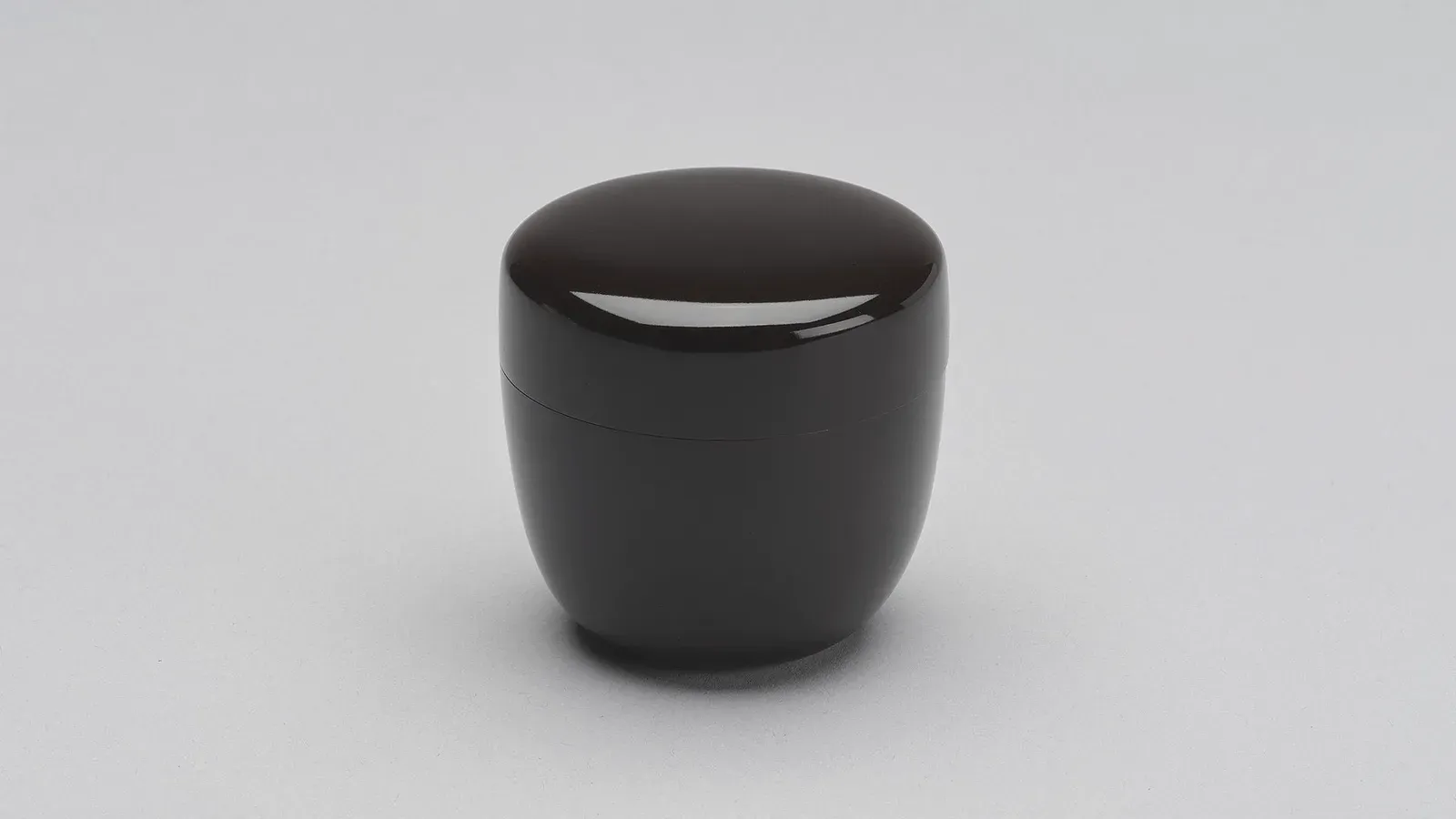
Matcha’s colour and aroma fade within weeks of opening. Store it airtight, opaque, and cool, away from light, heat, moisture, and strong smells. Buy a size you’ll finish in about a month, and if you keep it in the fridge, let the sealed tin warm to room temperature before opening so moisture doesn’t condense inside.
A tin of good matcha looks permanent and behaves like fruit. The powder sits there dry and vivid, giving every impression that it will keep for years. It won’t. Within a few weeks of opening, that spring-green dulls toward khaki, the sweet grassy aroma flattens, and the taste sharpens into plain bitterness. It stays safe to drink. It stops being the tea you paid for. Storing matcha well is the practice of slowing that fade, and almost all of it comes down to keeping five things off the powder.
Why matcha fades faster than any tea you own
Matcha is whole leaf ground to a powder finer than flour. Sencha and gyokuro are rolled leaf that meets air only at its cut edges. Matcha meets it everywhere. Stone-milling tencha (碾茶), the shaded, de-veined leaf that matcha is made from, into particles a few microns wide multiplies the leaf’s exposed surface area many times over, and each of those surfaces is a fresh site for oxidation. That one fact, surface area, is why matcha stales in weeks when a well-sealed bag of sencha keeps the better part of a year.
Three reactions do most of the damage, and heat and light drive all three. The green comes from chlorophyll, and chlorophyll is fragile. Exposed to light, heat, and a little moisture, it loses the magnesium ion at its centre and turns into olive-brown pheophytin, so the pigment decays toward the colour of hay 6. The catechins (the colourless polyphenols that include EGCG) auto-oxidise in contact with oxygen and polymerise into larger brown molecules, the browning chemistry of a cut apple left on the counter 6. The third loss is flavour. The amino acids that carry matcha’s sweetness and savoury depth, theanine above all, fall away over storage, so an aged tin reads flatter and more plainly bitter even before it looks brown 6.
Two more agents finish the job. Moisture clumps the powder and speeds the reactions that need water to run, and matcha is hygroscopic, pulling damp straight out of humid air 3. It also takes up odours the way an open box of baking soda does, so a tin stored beside coffee or garlic will come to smell of them 1.
Good storage, then, is a single task in five parts: keep oxygen, light, heat, moisture, and smells away from the powder 2.
| Enemy | What it does | The defence |
|---|---|---|
| Oxygen | Oxidises catechins and pigments; dulls colour and aroma | Airtight container, minimal headspace |
| Light | Photodegrades chlorophyll and catechins; fades the green | Opaque tin, dark cupboard |
| Heat | Speeds every reaction above | Cool storage; fridge for backstock |
| Moisture | Clumps the powder and accelerates decline | Keep dry; mind condensation |
| Odours | Matcha absorbs smells readily | Away from coffee, spices, garlic |
Oxygen is the one that never lets up. It explains why matcha in a loose-filled bag goes off faster than matcha in a sealed can, and why the powder fades quickest in the days right after you break the seal, when the headspace is full of fresh air and you open the container daily 4. Every opening resets the clock a little. The most useful habit in this whole guide follows from it: buy matcha in a quantity you’ll finish while it’s still good, and open it as few times as you can.
Where to keep it: the container and the cupboard
The everyday answer is dull and correct. A small, airtight, opaque container in a cool, dark cupboard, set away from the stove and from anything strongly scented 1. That one choice handles four of the five enemies at once: cool and dark defeat heat and light, airtight holds back oxygen and moisture, and a shelf away from the spice rack keeps odours out.
Two containers do this well, and they aren’t the same tool. The original foil or aluminised bag, pressed flat to force the air out, rolled down, and clipped, is what Ippodo recommends keeping matcha in. Decant to a tin only if you drink it often enough to justify the extra exposure 1. The bag wins on air, because you can squeeze the headspace down to almost nothing after each use, which a rigid tin can’t do. A proper tea caddy wins on light and convenience: a chazutsu (茶筒), the traditional cylindrical tin, or a sealed metal canister, and a good double-lidded one holds a seal well enough for daily use. What a bare chazutsu doesn’t promise is an airtight fit, so for anything you’re keeping past a few weeks, the safest store is the rolled foil bag, or the bag tucked inside the tin.
If you want a glass caddy because it looks good on the counter, treat it as a serving jar and keep the working supply in the cupboard. Daylight on the bench fades the surface of the powder on its own 3.
The fridge and freezer question
Cold storage does help. A matcha-specific study found that sealed matcha held at 4°C kept its catechins, its antioxidant activity, and its colour better than matcha held warmer, with losses climbing steadily as the storage temperature rose across a two-month test 5. For unopened matcha you want to hold for months, the fridge or freezer earns its space, kept sealed. The complication is what happens when you open a cold container in a warm room.
Take a cold tin into a warm kitchen, lift the lid, and the humidity in the air condenses onto the chilled powder. Moisture is one of the five enemies, and you’ve invited it straight in. Marukyu Koyamaen and Yamamasa Koyamaen, both long-established Uji producers, give the same instruction: if you refrigerate matcha, let the sealed container come back to room temperature before you open it 3.
The honest verdict for a home drinker: for an opened tin, the fridge is oversold. The condensation rule is easy to state and easy to forget, and every unthinking morning open-and-close chips away at the benefit. Yamamasa Koyamaen says as much. For matcha you’re using often and finishing quickly, it calls a cool, dark cupboard preferable to refrigeration, because a shelf spares the powder the temperature swings and the damp they bring 3. Keep the freezer for sealed backstock you won’t touch for months. For the tin in daily use, buy small, store it dark, and drink it while it’s fresh.
Buying so it stays fresh
Freshness is bought before it’s stored. The most reliable move is to size the purchase to your habit and buy an amount you’ll finish within about a month of opening, two at the very outside 1. A 20-to-30-gram tin is roughly a month of a daily bowl. The 100-gram value tin looks like thrift and behaves like waste for anyone but a daily drinker: you save a little per gram, then watch the back half of the tin fade before you reach it. Buy small and buy more often.
Learn to read the date on the tin, too. Japanese producers print a best-by date, often in year.month.day order, and Ippodo uses that format 1. Treat it as a guide to the unopened powder rather than a licence. Producers commonly rate unopened matcha for six to eight months from production, and Yamamasa Koyamaen puts its own figure near eight months in a cool place 3. Once the seal breaks, the printed date stops meaning much, because the clock that matters started when air first reached the powder. If a shop lists a harvest or production date, fresher is better, and matcha bought closest to its spring harvest has the most colour to lose.
This is also why unopened matcha keeps as well as it does. Better packaging is sealed with the oxygen taken out, flushed with nitrogen or packed with a small oxygen absorber, so the powder sits in a low-oxygen space until you break in. That protection ends the moment you open it, which is one more reason to buy a size you’ll use up.
One buying truth runs against intuition. The best matcha is the most perishable, not the most durable. A high-grade ceremonial matcha, made from first-flush leaf under the longest shade for a whisked bowl rather than the culinary grades built for milk and sugar, is built on the most delicate compounds, exactly the chlorophyll and amino acids that go first. The finer the matcha, the faster poor storage wastes it. It deserves the smallest tin, the darkest shelf, and the quickest drinking of anything in your cupboard.
Handle it the same way once it’s open. Sift serving by serving, at the moment you whisk, and leave the rest of the tin alone. Sifting breaks the clumps and multiplies surface area, so working through a whole tin at once stales all of it to save a few seconds a day 4. Keep water and wet spoons away from the caddy, and portion with a dry chashaku (茶杓) or dry spoon 3. Sifting does improve the bowl, and for why, see why matcha tastes bitter and how to whisk it.
How to tell it’s past its best
Trust your eyes and nose over the date on the tin. Fresh matcha is a saturated, almost fluorescent green and smells sweet and vegetal, somewhere between cut grass and nori. As it ages, the colour drifts toward yellow-brown or dull olive, the aroma thins to something flat and hay-like, and the flavour loses its sweetness and turns harshly bitter 4. Clumps that won’t break up under a sifter are a sign moisture has reached it. Dry matcha kept sealed stays safe to drink well past its best. What it loses is the reason you bought it: the colour, the sweetness, the aroma of the bowl.
Faded matcha still earns its keep, away from the bowl. Whisk it into a latte, blend it into a smoothie, or bake it into cookies or a cake, where milk, sugar, and heat cover the flatness and the colour barely registers 4. Culinary-grade matcha is built for exactly this, and a ceremonial tin that has slipped past its prime is better spent here than tipped down the sink.
Everything above reduces to one discipline. Matcha is a once-a-year, first-flush crop that begins dying the day it’s milled, and good storage only slows the dying. It rewards the small tin over the big one, the cupboard over the counter, the sealed bag over the open jar, and the bowl drunk this month over the one saved for later. The chadō care lavished on a single serving has a plain practical root that runs through all of Japanese green tea: the bowl in front of you is the best it will ever be, and every week you wait it is a little less. Store it well, and drink it soon. Both halves matter, and the second one more.
Sources
6sourcesIppodo Tea (USA)
SupportsStore in an opaque, tightly sealed container in a cupboard, away from spices, coffee and strong odors; avoid open air, sunlight and heat; keep matcha in its original foil bag rolled and clipped; consume within about a month of opening; best-by date printed year.month.day
Marukyu Koyamaen (Uji)
SupportsMatcha degrades with light, heat, humidity, oxygen and odors; refrigerate whether opened or not, but opened pull-top cans should be sealed and consumed as soon as possible; opening a cold can causes condensation and rapid quality loss; best within about 2 months of opening, about 6 months unopened
Yamamasa Koyamaen (Uji)
SupportsStore in a light-shielding container in a dark place; freezer, refrigerator, or cool place to avoid heat; seal completely before refrigerating and let a cold package reach room temperature before opening to avoid condensation; matcha absorbs moisture and odors; for frequent use a cool dark place is preferable to refrigeration; about 8 months unopened in a cool place; buy amounts matching consumption
ILEM Japan
SupportsAirtight and opaque storage in a dark cupboard; refrigeration condensation risk, let a cold container reach room temperature before opening; repeated air exposure oxidizes and dulls colour and aroma; staling signs: aroma loss, dull colour, stronger bitterness, clumping
Food Science and Biotechnology (Springer, 2020)
SupportsPeer-reviewed study of matcha stored at 4–80°C for up to 2 months: catechins (EC, EGC, ECG, EGCG), antioxidant (ABTS/DPPH) activity, caffeine and colour all decreased with higher storage temperature and longer time; storage at 4°C best preserved quality
PubMed Central (NLM): organic green tea long-term storage study
SupportsLong-term green tea storage: chlorophyll-b and carotenoids decline, tea polyphenols and catechins decrease, total amino acids and theanine fall, and brown theabrownins rise, the browning and oxidation chemistry behind lost green colour and fresh flavour
Common questions
Does matcha go bad?
It doesn't spoil the way fresh food does, but it stales. Within weeks of opening, an unsealed tin loses its bright green colour and fresh aroma and turns dull, hay-like, and more bitter. It stays safe to drink; it just no longer tastes like good matcha.
Should I keep matcha in the fridge or freezer?
For unopened matcha you want to hold for months, cold storage helps and a sealed tin at fridge temperature keeps its colour and catechins best. Once opened, the bigger risk is condensation: every time you take a cold tin into a warm kitchen, moisture forms on the powder. If you refrigerate an opened tin, keep it tightly sealed and let it return to room temperature before you open it.
How long does matcha last after opening?
Drink it within about a month for the best flavour, and two months at the outside. Marukyu Koyamaen and Ippodo, two long-established Kyoto producers, both advise finishing opened matcha quickly rather than storing it.