Topic
chado
7 pieces.
01 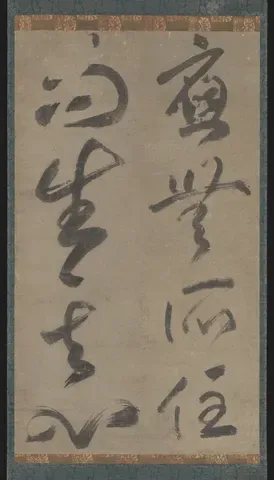 Ichigo-Ichie: One Time, One Meeting Ichigo-ichie was coined by Ii Naosuke, not Rikyū. What the four characters mean, where they come from, and what they ask of a tea gathering. 02
  Sen no Rikyū (1522–1591): The Man Who Defined Tea How a Sakai merchant's son codified wabi-cha — the grass-hut room, the crawl-through door, the raku bowl — and why Hideyoshi ordered his death. 03
  The Three Schools: Omotesenke, Urasenke & Mushakōjisenke The san-Senke — Omotesenke, Urasenke, Mushakōjisenke — descend from Rikyū's grandson Sōtan's sons, not Rikyū directly. What sets the three houses apart. 04
 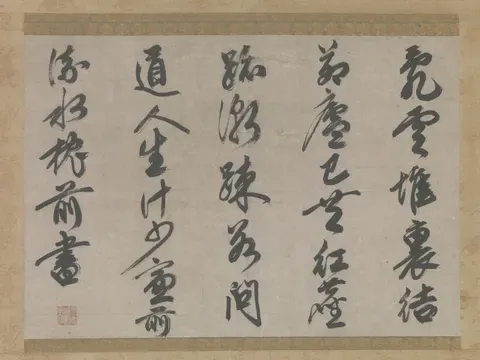 Wa-Kei-Sei-Jaku: The Four Principles of Tea Harmony, respect, purity, tranquility — the four principles at the heart of chadō, what each asks of host and guest, and why jaku is a result. 05
 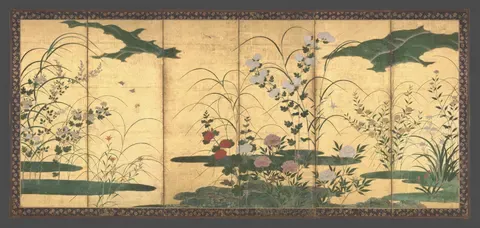 The Tea Year: Saijiki & Seasonality in Chadō How the saijiki, the haiku seasonal almanac, frames the tea year: the furo/ro changeover, robiraki and kuchikiri, shincha, and a gathering tuned to the season. 06 Tea Meditation: Mindfulness in a Single Bowl What tea meditation is, minus the fluff: a fixed sequence of simple tasks that holds attention better than trying to relax, plus its honest Zen roots. 07
  Bringing Wa-Kei-Sei-Jaku Into Everyday Life The four principles of tea — harmony, respect, purity, tranquility — applied off the tatami, kept faithful to what they mean in the tea room.
Ichigo-Ichie: One Time, One Meeting Ichigo-ichie was coined by Ii Naosuke, not Rikyū. What the four characters mean, where they come from, and what they ask of a tea gathering. 02 Sen no Rikyū (1522–1591): The Man Who Defined Tea How a Sakai merchant's son codified wabi-cha — the grass-hut room, the crawl-through door, the raku bowl — and why Hideyoshi ordered his death. 03 The Three Schools: Omotesenke, Urasenke & Mushakōjisenke The san-Senke — Omotesenke, Urasenke, Mushakōjisenke — descend from Rikyū's grandson Sōtan's sons, not Rikyū directly. What sets the three houses apart. 04 Wa-Kei-Sei-Jaku: The Four Principles of Tea Harmony, respect, purity, tranquility — the four principles at the heart of chadō, what each asks of host and guest, and why jaku is a result. 05 The Tea Year: Saijiki & Seasonality in Chadō How the saijiki, the haiku seasonal almanac, frames the tea year: the furo/ro changeover, robiraki and kuchikiri, shincha, and a gathering tuned to the season. 06 Tea Meditation: Mindfulness in a Single Bowl What tea meditation is, minus the fluff: a fixed sequence of simple tasks that holds attention better than trying to relax, plus its honest Zen roots. 07 Bringing Wa-Kei-Sei-Jaku Into Everyday Life The four principles of tea — harmony, respect, purity, tranquility — applied off the tatami, kept faithful to what they mean in the tea room.