The Implements
How to Care for Your Japanese Teaware
Object-by-object care for a chasen, chawan, tetsubin, lacquer natsume and bamboo scoop — what to rinse, what never to soak, and what to replace.
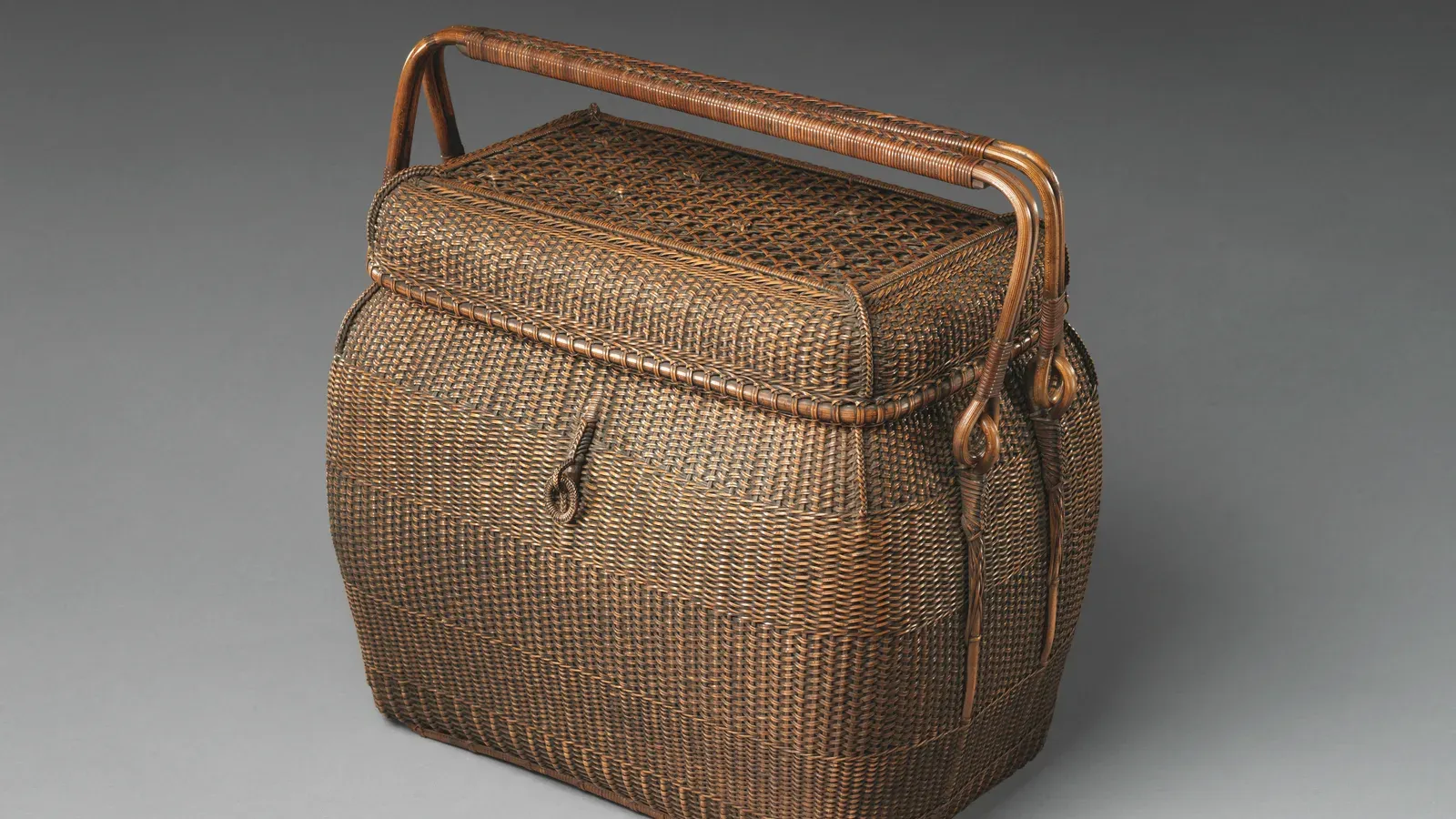
Most Japanese teaware wants plain water, complete drying, and no detergent. Treat the chasen as a consumable. Never let cast iron sit wet, never leave lacquer soaking, and dry a porous bowl all the way through before it goes on the shelf.
That covers most of it. The rest is knowing which object is which, and why the rule flips when the material does.
Almost every mistake people make with teaware begins with treating it like dishware: the dishwasher, the squirt of soap, the overnight soak, the cupboard where a damp bowl goes back wet. Those habits are harmless on a stoneware mug. They will fray a chasen (茶筅, bamboo whisk) in a month, craze a lacquer natsume (棗, tea caddy) over a season, and rust a tetsubin (鉄瓶, iron kettle) from the inside. The objects are particular rather than delicate. Learn what each one is made of and the care follows from the material.
In chadō (茶道, the Way of Tea) this attention carries a name. Kei (敬, respect) is one of the four principles of wa-kei-sei-jaku, and it reaches past the guests to the utensils themselves. A host cleans, dries, and puts away each piece as part of the same discipline that seats the guest and turns the bowl. No tearoom is required for that to hold. Drying a whisk so it lasts is the ordinary form of it.
If there is one habit to break first, break the soap. Detergent is the single most common way a beginner wrecks good teaware, because nearly every material that matters here — bamboo, porous clay, bare iron, urushi — takes it in and hands it back to the next bowl. Save the dish soap for the mugs.
The method, at a glance
Six material rules cover the whole tea-room kit. The table is the short version. The reasoning behind each line is below it, object by object.
| Item | Rinse | Dry | Never |
|---|---|---|---|
| Chasen (bamboo whisk) | Warm water, no soap | Open air on a stand, reshaped first | Sealed case; soap; dishwasher |
| Chawan, porous raku/Hagi | Warm water, no detergent | Fully, days if needed, before storage | Detergent; storing damp; cold bowl under boiling water |
| Tetsubin / kama (bare iron) | Hot water only, if at all | On residual heat, lid off | Scrubbing the yuaka scale; soap; oil; sitting wet |
| Tetsukyūsu (enamel-lined) | Hot water | Air-dry, lid off | Any flame or burner |
| Natsume, urushi lacquer | Wipe with a barely damp cloth | Wipe dry at once | Soaking; microwave; dishwasher; direct sun |
| Chashaku (bamboo scoop) | Wipe; barely damp cloth if needed | Dry cloth, then air | Soaking; long water contact |
The chasen (bamboo whisk)
The whisk is the most demanding piece you own and the shortest-lived. Treat it as a consumable, because that is what it is.
Before whisking, soak the tips. Stand the chasen tines-down in a little warm water for a minute or two. Bamboo is far more flexible wet, and softened tines are much less likely to snap. Ippodo, the Kyoto tea house, recommends exactly this: wet and soften the tips before use 1.
After whisking, rinse in plain water and skip the soap. Matcha is a fine powder that clears with a gentle swirl in warm water, and Ippodo cleans it off exactly that way, lifting any stuck particles with your fingers underwater 1. Soap is the wrong tool here. Bamboo drinks in the residue and hands it back as a taint in the next bowl.
Drying is where whisks are saved or killed. Shake off the water, reshape the fan over the dome of a kusenaoshi (くせ直し, “habit-fixer”), the small ceramic whisk stand, then leave the whisk in open air. Ippodo stores it tips-down on the stand to hold the shape 1. A post-style stand instead holds the tines up, which drains water out of the handle rather than pooling it at the node. Either way the fan sits held open while the bamboo takes its set, and open air matters more than which direction it faces. That stand earns its shelf space more than any cleaning product does. Leave it out, not in a drawer, until it is bone dry, usually several hours.
Two things to refuse outright. Do not put a wet whisk back in the clear plastic tube it came in, where there is no airflow and mold follows within days. Do not lay it flat on a towel, which traps water against the tines.
A chasen is hand-split bamboo, and it wears out. Retire it when tines start breaking or splaying past use, which for a daily drinker often means every few months 1. A fine crack in the handle from dry air is not, by itself, a reason to throw it out, since the cotton thread binding at the base keeps a split from spreading. The full picture, from prong counts to why a Takayama whisk out-lasts a supermarket one, is in the chasen guide.
The chawan (tea bowl)
Hand-wash in warm water, no detergent, then dry it completely before it goes anywhere.
The drying is the step people skip, and it matters most on porous, low-fired bowls: raku (楽) and Hagi (萩焼). Those glazes stay slightly porous. They take up moisture and hold it, which is also why practitioners prize the way such bowls change colour over years of use. A bowl shelved while still damp inside grows mildew and a musty smell that is very hard to clear. Air-dry porous pieces rather than toweling them, and leave them out, unstacked, until there is no moisture left in the foot 2. A thin bowl dries in hours. The coarse, thirsty clay of a thick Hagi piece can need several days of open air before it is dry through, and shelving it early is what breeds the mildew.
Skip soap on these for the same reason the drying matters: a porous glaze drinks in detergent and returns it to the tea. Warm water and your hands are enough.
Warm the bowl before you whisk. Fill it with hot water, swirl, and pour it out first. This is partly comfort, since a warm bowl keeps thin tea hot, and partly protection. Low-fired raku dislikes a sudden jump from cold to boiling, and preheating softens the thermal step that would otherwise shock the glaze. Tea people pre-soak Hagi and raku for the same reason. Tezumi suggests a longer soak for a brand-new bowl and a brief one, under a minute, before each use 2.
One last thing about the bowl affects everything it touches. The foot, the kōdai, is usually left unglazed on purpose, and the bare clay is rough enough to scratch a lacquer tray 2. Keep an unglazed foot off any lacquer surface, and off a soft wood tabletop while you are at it. How to read the rest of a bowl, its shape, foot, and front, is in the chawan guide.
Cast iron: the tetsubin and the kama
Cast iron is where the most damage gets done, almost always because two different objects share a look and get the same wrong treatment.
A tetsubin (鉄瓶) is a spouted iron kettle made to sit over heat and boil water. A kama (釜), or chagama (茶釜), is the kettle of the formal ceremony: heavier, spoutless, lifted by loose metal rings, and set in a sunken hearth, the ro, through the cold months or on a portable brazier, the furo, in the warm ones 6. The kama heats water for the whole gathering. Most people at home own a tetsubin, while the kama belongs to the tearoom. For the seasonal switch between hearth and brazier, see furo vs. ro.
A third object complicates the shelf. Many “cast iron teapots” sold for tea are enamel-lined inside. Those are for steeping already-boiled tea, and the glassy lining that keeps them from rusting cannot take direct flame. Bare-iron tetsubin are the ones built to boil. Know which you have before you put anything on the stove. The fuller comparison of kettle, enamel teapot, and ceramic kyūsu is in tetsubin, tetsukyūsu and kyūsu.
For a bare-iron tetsubin or kama, the rules are the same, and they are strict:
- Never let it sit wet. Empty it the moment you are done. Standing water rusts the interior fast.
- Dry it on residual heat. After emptying, set the kettle back on a low flame for half a minute to drive off the last moisture, then leave the lid off so the inside air-dries. This single habit prevents most rust 4.
- Never scrub the interior. A dark mineral scale, yuaka (湯垢), builds up inside with use. It both shields the iron and is widely said to soften and sweeten the water. Scour it off and you strip the protection and roughen the surface so it rusts faster. Leave the inside alone, and rinse with hot water only if at all 3.
- No soap, no oil. Soap strips and taints. Unlike a Western skillet, a tetsubin is not oil-seasoned, so its protection is that mineral layer and oil belongs nowhere near it 3.
If light surface rust appears, the kettle is recoverable rather than ruined. A common remedy is to boil used green-tea leaves in it, letting the tannins react with the iron to settle the surface, then rinse and dry on heat 4. The exterior can be wiped down and, while still warm, buffed dry with a soft cloth. Small orange spots you can dab and keep using. The inside you continue to leave alone.
Lacquer: the natsume and urushi
Lacquerware, from the natsume caddy to trays and lidded boxes, is finished in urushi (漆), tree sap cured in thin coats over a wooden core. It is more delicate than its glossy surface suggests, and water is the chief danger.
Wipe it, and keep it out of long water and high heat. A soft, barely damp cloth cleans nearly any lacquer piece, and a natsume, which holds only dry powdered tea, rarely needs even that. If tea has dried on, a brief soak to loosen it does no harm, but a long soak, a dishwasher cycle, or the microwave will lift the lacquer or warp the wooden core underneath. Boiling water and open flame do the same. Dry the piece at once after any wet contact.
The opposite extreme does its own harm. Urushi is an organic material that wants moderate humidity, and dry, heated air makes it brittle and crazes it with fine cracks. Keep lacquer out of direct sun and away from heating vents. For long storage, Musubi Kiln suggests keeping a small glass of water in the same cupboard to hold the humidity the lacquer needs, and, when stacking pieces, slipping paper between them so nothing rubs 5. Regular gentle use keeps urushi in better condition than years shut in a dry box.
Bamboo: the chashaku
The chashaku (茶杓), the slim tea scoop, is the simplest piece here and the easiest to overcorrect. Wipe it. Do not soak it.
A dry cloth after use is usually enough. If powder clings, a barely damp cloth clears it, then dry it at once. Long water contact warps the curve of the bowl and can split the bamboo, so the scoop never goes under a running tap or sits to soak. The same logic covers any small bamboo tool: clean it dry, store it dry. Where the scoop and caddy sit in the wider kit is covered in the chashaku and natsume guide.
Storage, and the mistakes that ruin good teaware
Everything goes away dry and stays out of extremes. Bamboo and lacquer want air and moderate humidity, not a sealed box or a bone-dry cabinet. Porous ceramics must be dry through the foot before they are shelved. Cast iron must be dry inside, best left with the lid ajar so the last moisture escapes. Keep lacquer out of the sun. Nothing wet goes into a closed container.
The same handful of failures repeat, so here they are, flat:
- The dishwasher. The fastest way to ruin almost everything here at once: heat, detergent, and a long wet cycle against bamboo, lacquer, porous glaze, and bare iron alike.
- Soap. Skip it on the chasen, on porous raku and Hagi, and on all cast iron. The material absorbs it and returns it to the tea.
- Long soaks on lacquer or bamboo. A wipe, not a bath. A prolonged soak warps a chashaku and lifts urushi.
- Letting cast iron sit wet. Empty it at once and dry it on residual heat. Standing water is what rusts a tetsubin.
- Scrubbing the inside of a tetsubin. The yuaka scale is protection, not grime.
- Storing anything damp. A wet bowl mildews, a wet whisk molds, a wet kettle rusts. Dry all the way through first.
- The wet whisk back in its plastic tube. No airflow, and mold nearly every time. Use an open stand.
- Dry, heated air and direct sun on lacquer. Both craze urushi over time.
- An unglazed ceramic foot on a lacquer tray. It scratches.
Two objects on this shelf run on opposite clocks. The kettle is built for a lifetime: season its interior, never scrub it, keep it dry, and it will outlast you. The whisk is built for a season: use it up over a few months of good bowls and buy the next without sentiment. Get those two instincts right, protect the iron’s scale and spend the bamboo freely, and the bowl, the scoop, and the caddy between them mostly look after themselves.
Sources
6sourcesIppodo Tea (Kyoto, est. 1717)
SupportsChasen care: soak tips before use, rinse in plain water without soap, reshape and dry on a stand, mold risk in the original case, replace when tines break
Tezumi
SupportsChawan washing without detergent, full air-drying for porous Hagi/raku before storage, pre-soak times and thermal-shock guard, unglazed feet scratching lacquerware
Toramonten
SupportsTetsubin: empty and dry over residual heat, never scrub the interior yuaka scale, no soap or oil; enamel-lined teapots are not for direct heat
Akazuki
SupportsNambu cast iron: empty while hot, low-heat drying, no dish soap on porous iron, surface-rust removal then re-use, boiling used tea leaves to settle rust
Musubi Kiln
SupportsUrushi lacquer: no microwave/oven/flame, wipe with a soft cloth immediately, avoid direct sun and over-dry air, store with some humidity (glass of water in the cupboard), paper between stacked pieces
Wikipedia, Chagama
SupportsKama/chagama: metal tea-ceremony kettle heated in the ro sunken hearth in autumn/winter and on a furo portable brazier in spring/summer
Common questions
Can I use soap on Japanese teaware?
As a rule, no. Bamboo, porous raku and Hagi glaze, and bare cast iron all absorb detergent and give it back as an off taste in the next bowl. Warm or hot water and your hands clean nearly everything here. Lacquer takes only a soft, barely damp cloth. Fully glazed, high-fired porcelain is the one exception where a little mild soap does no harm.
How do I dry a raku or Hagi tea bowl?
Slowly and completely, in open air. Low-fired raku and Hagi are porous and hold water in the clay body, so a quick towel is not enough. Leave the bowl out, unstacked, until there is no moisture left in the foot, which can take several days for a thick porous piece. A bowl shelved damp grows mildew and a musty smell that is very hard to clear.
Should I scrub the inside of my tetsubin?
No. The dark mineral scale that builds up inside a bare-iron tetsubin, called yuaka, protects the metal from rust and is often said to soften the water. Scrubbing it away strips that protection and roughens the surface so it rusts faster. Empty the kettle while it is hot, let the residual heat dry the interior, and leave the scale alone.